From a metre-gauge line to an electric railway.
More than 130 years of railway between Addis Ababa and the sea: the line Menelik II imagined, the one that replaced it, and the company that runs it today.
How the railway came to be
1894
The concession
Emperor Menelik II grants the concession for a line that will link his new capital to the sea at Djibouti.
1897
Construction begins
The work is carried out by a French company and foreign engineers.
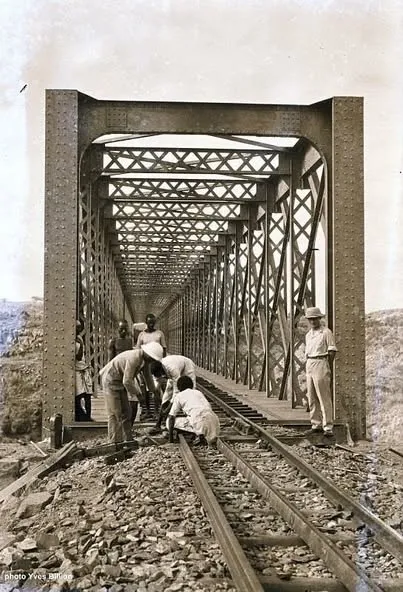
Building the first line. 1902
The rails reach Dire Dawa
Five years after the first works, the line arrives in eastern Ethiopia.
1917
The first train into Addis Ababa
Menelik had died four years earlier. He never rode the line he imagined.
1920s
The country’s main trade artery
Within a decade of reaching the capital, the railway carries the bulk of the country’s trade.
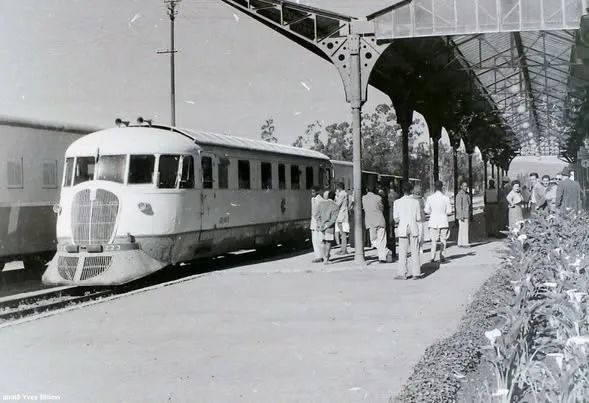
A railcar of the old metre-gauge line. 1929
Legehar station opens
The railway’s gateway in the capital.
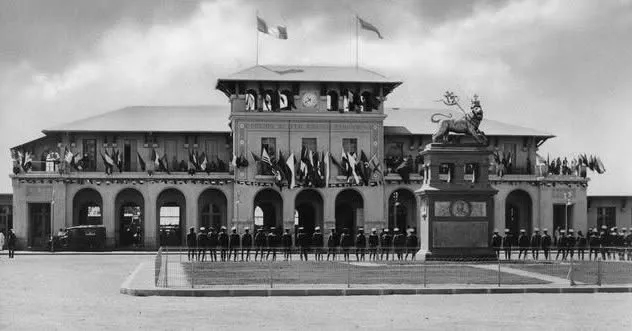
Legehar station, Addis Ababa. 1981
A joint company
Thin investment has worn the line down. Ethiopia and Djibouti form a joint company to run it, yet cargo keeps slipping away to trucks.
2000s
The old line all but stops
Families who had served the metre-gauge railway for three or four generations watch a long chapter close.
2016
A new railway is inaugurated
A 756 km electrified standard-gauge railway between Addis Ababa and Djibouti, the first of its kind in Africa. On 16 December the two states sign the bilateral agreement on which the company is founded.
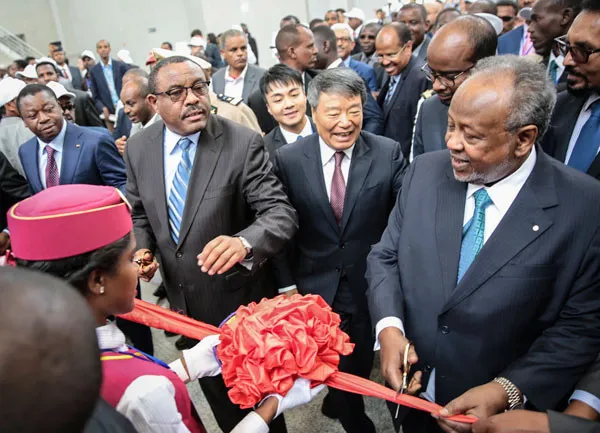
The inauguration, 2016. 2017
The company is established
A Shareholders Agreement is signed on 11 January among public bodies and state enterprises of both nations. In April they form a share company with an initial capital of USD 500 million to develop, operate and manage the line.
1 January 2018
Commercial service begins
Passenger and freight trains start running. Daily operation stays largely with the company’s Chinese partners while its own people prepare to lead.
2024
Full management
Ethiopia and Djibouti take full management of the railway. For the first time in its long history, the corridor is run from end to end by the people of the two nations it serves.
2025
Built with our own hands
EDR builds its own dry port at Galan, lays rail spurs along the corridor and starts on tunnels and bridges for the railway in the north. Its own engineers maintain, repair and overhaul the rolling stock.
January 2026
The Prime Minister’s visit
Prime Minister Abiy Ahmed visits the railway, which the Government has placed at the center of national logistics.
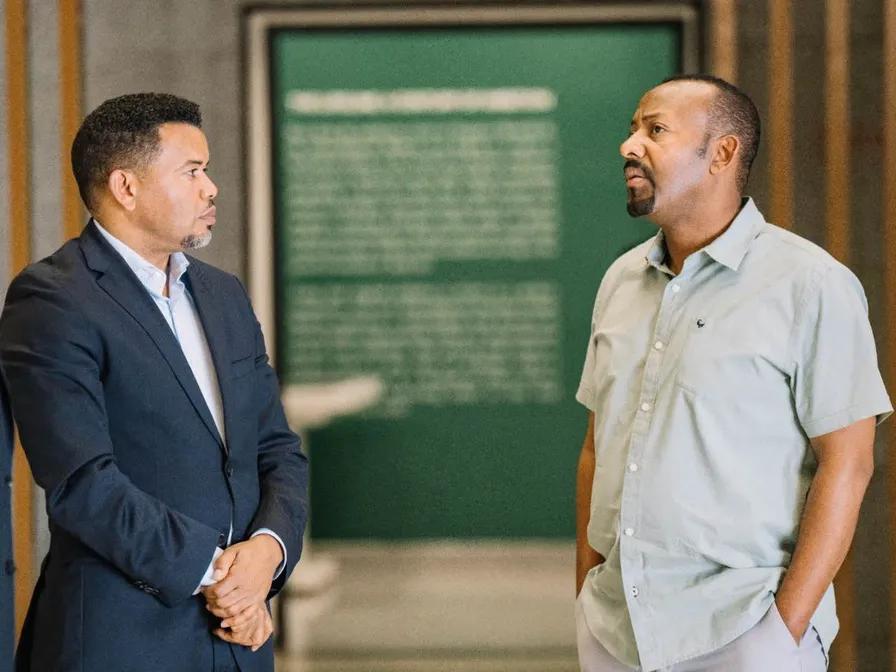
Prime Minister Abiy Ahmed’s visit.
Then and now, in photographs
The metre-gauge line and what remains of it, and the electric railway that runs today. Select a photograph to see it whole.
For Ethiopia, the line is the primary corridor to the sea. For Djibouti, it is the inland reach of one of the busiest ports in the Horn of Africa. For both, it is a single piece of infrastructure that only works if it is run as one.